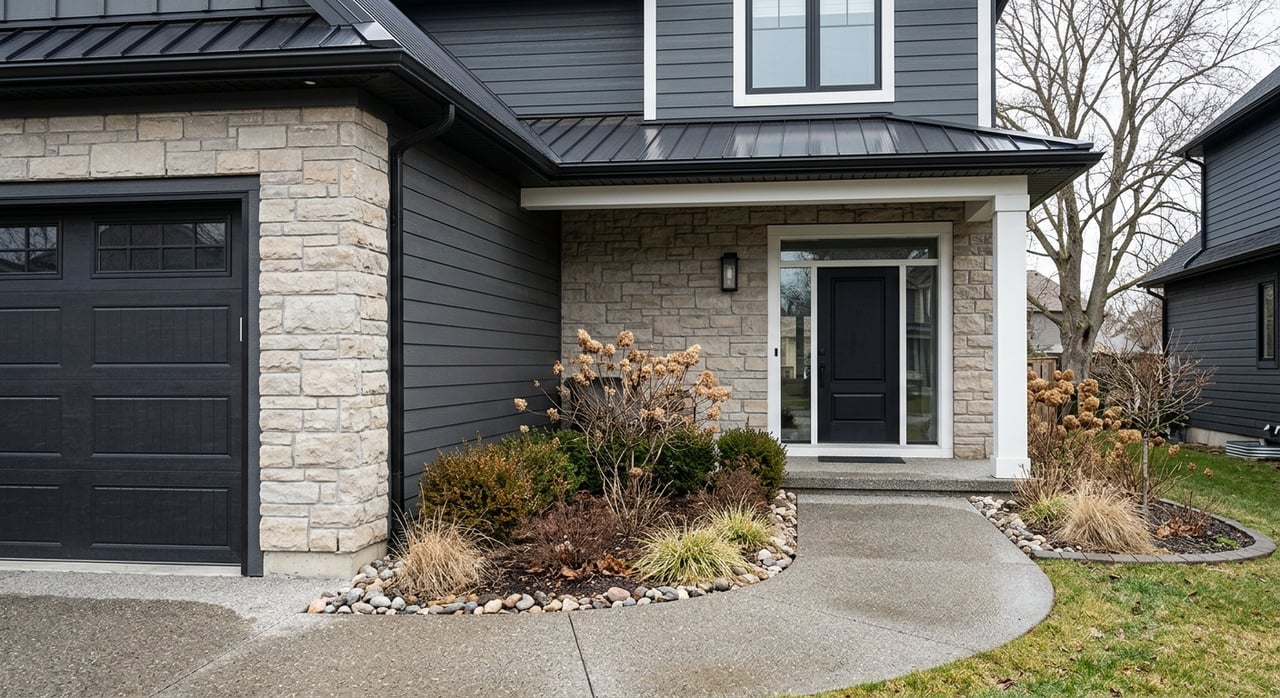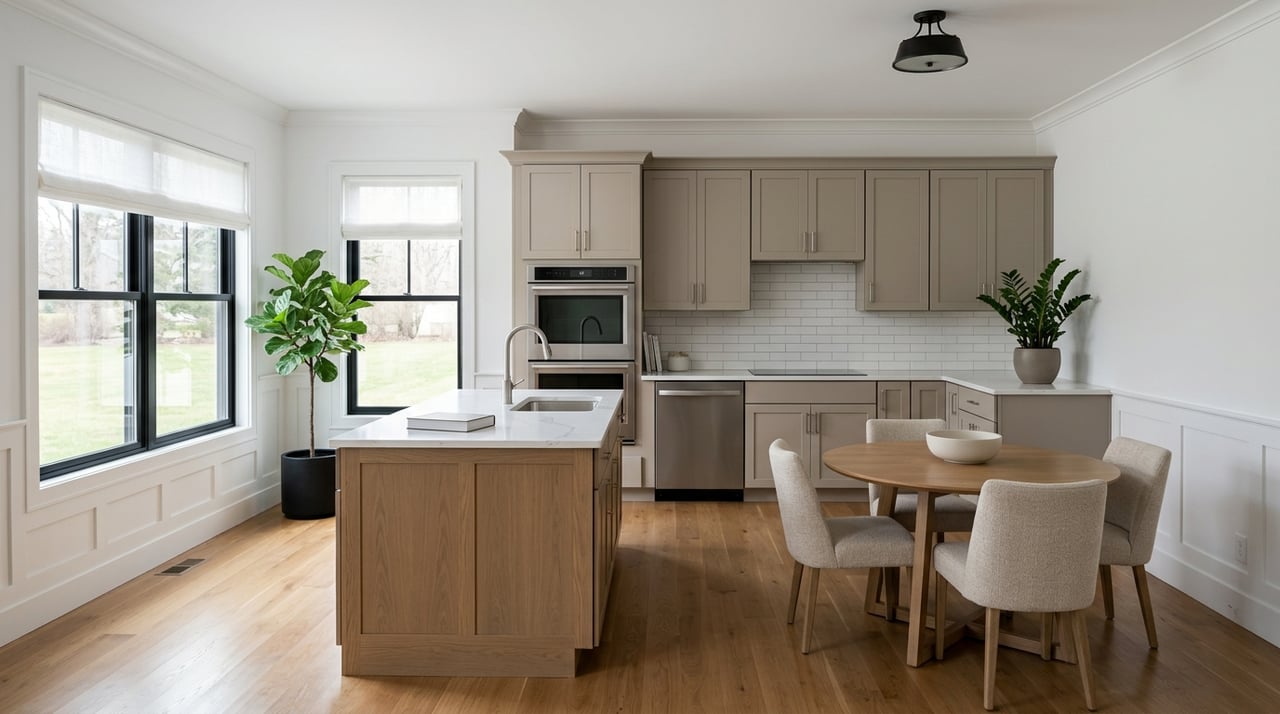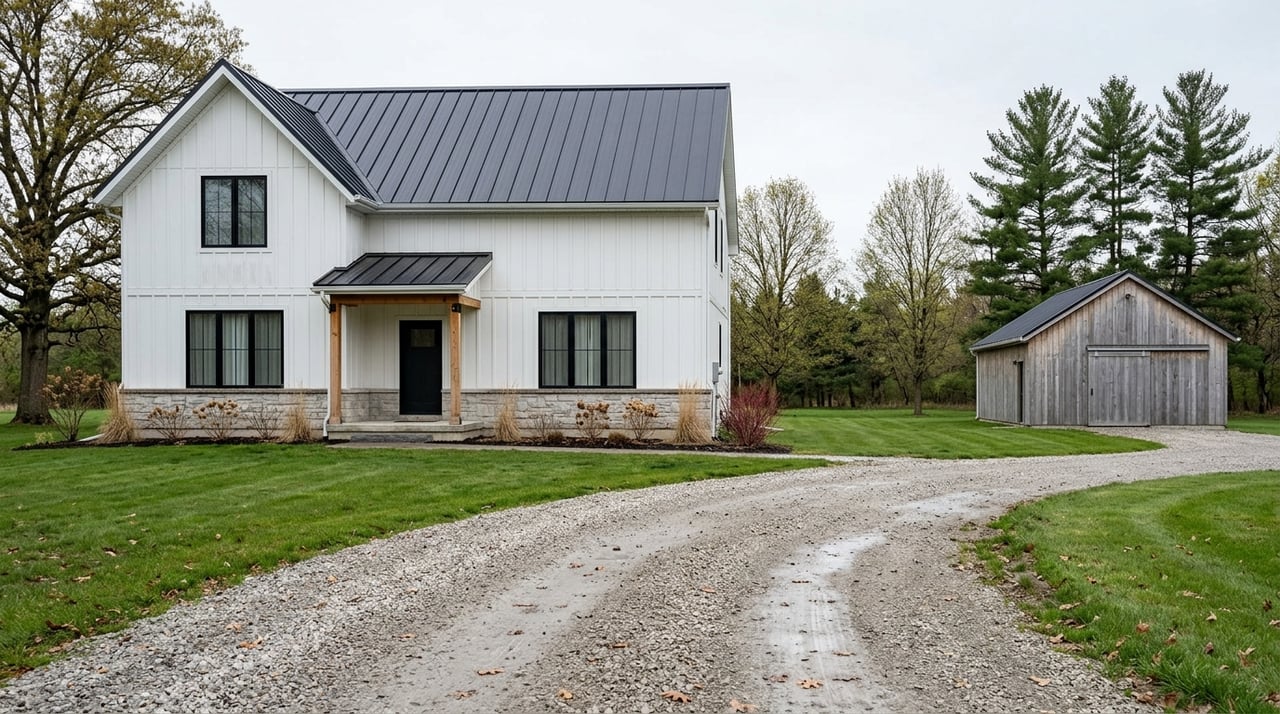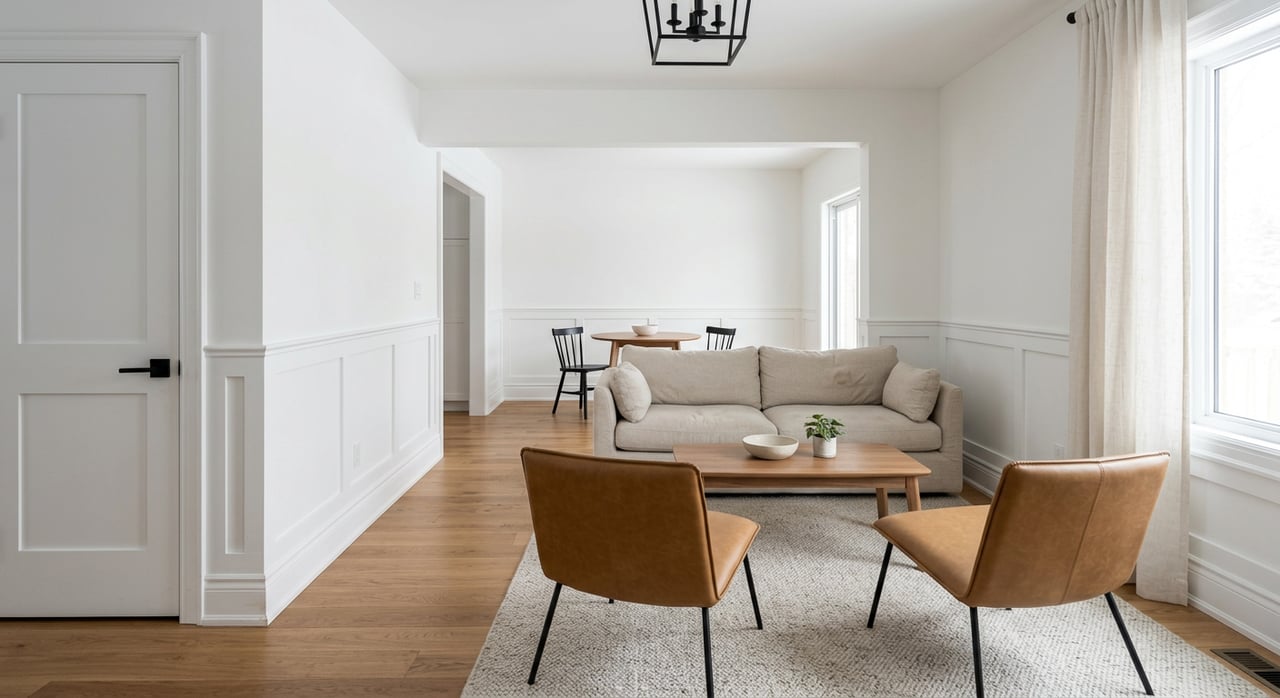
Thinking about trading up to a larger Verona home this year? Getting your price right on day one can be the difference between multiple offers and weeks of slow showings. If you already own in Verona, you also need to sync your sale with your next purchase so you protect your equity and your timeline. In this guide, you’ll learn how to price smart, launch strong, and choose the right timing plan for your move. Let’s dive in.
Verona market snapshot and why it matters
Verona has been a generally seller‑leaning market, but momentum shifts by price band and month. In 2025, SCWMLS recorded 197 residential sales in Verona with a median sale price of $484,900. You can review the city summary in the SCWMLS year‑end report for context on pricing and activity. See the 2025 Verona snapshot.
Entering 2026, overall Dane County supply remains limited in many segments. The mid‑January SCWMLS Active Listing Report counted about 1,581 active listings across property types countywide, including roughly 540 single‑family homes. Check the January 2026 active snapshot.
Regional reporting also points to continued activity as we started the year. The RASCW January 2026 market report is a good check‑in for monthly trends.
What this means for you: price bands behave differently. Some ranges draw multiple buyers fast. Others move at a more measured pace. Your pricing decision should be tied to a hyperlocal CMA and the current supply in your exact price band so you launch with confidence.
Price right from day one
Build a hyperlocal CMA and band view
Start with recent closed sales in your immediate area from the last 60 to 120 days. Adjust for condition, usable living area, lot, and any neighborhood features that shape buyer demand. MLS data is your most reliable source for this. If school assignment is part of how buyers search, note it neutrally and confirm boundary details with the district.
Next, scan the active and pending counts in your price band. If supply is thin and pendings are strong, you can lean into a more assertive launch. If there is more competition, aim to capture day‑one demand by pricing at clear market value.
Choose a pricing tactic that fits your segment
- Market‑priced. List at the median of adjusted comps. This attracts the full buyer pool and often delivers a strong, clean offer in tight segments.
- List‑low to generate offers. In very tight bands, a small under‑market price can drive competing bids and lift your net. Use this only when your CMA and supply confirm deep buyer demand.
- Premium ask. Consider this when your home is truly exceptional and there is minimal direct competition. It carries higher days on market risk, so back it with standout presentation and patience.
Launch plan drives momentum
Most showings and offers happen in the first 10 to 14 days. Treat your list date like a product launch and have all marketing ready before you go live.
Checklist for a winning launch:
- Professional, editorial‑quality photography and a clear floor plan
- A simple 3D or video tour to widen the buyer pool
- Clean, decluttered spaces with targeted staging in key rooms
- Compelling listing copy that highlights genuine advantages
- Pre‑market agent outreach to qualified buyers and local broker networks
Avoid the price‑reduction trap
Homes that debut too high and take multiple small price cuts usually net less than homes priced correctly from day one. Industry analyses show repeated reductions often push the final price several percent lower than a clean, early sale. If activity is weak after 14 to 21 days, make one decisive adjustment instead of many small ones. For a deeper look at how reductions relate to days on market, review this summary from a Realtor association: Optimizing pricing vs. DOM.
Think net, not just price
Your list price is only part of the outcome. Run a net‑proceeds worksheet before you hit the market so you know your real bottom line.
Include:
- Likely sale price scenarios and your mortgage payoff
- MLS and closing costs, plus potential concessions
- Prep costs such as painting, staging, and minor repairs
- Carrying costs if you plan to buy first
When you know your net, you can decide how aggressive to be on price and how fast you need to move.
Align pricing with your buy plan
If you already own in Verona, your pricing strategy connects directly to how you plan to purchase your next home.
Option 1: Sell first, then buy
Pros: Maximum negotiating power on your sale and a clean closing. Cons: You may need short‑term housing and careful timing to secure the next place.
Use this when you can be flexible with dates or when you want to minimize financing risk.
Option 2: Buy first with bridge financing or a HELOC
Pros: Stronger offers on the purchase and more time to position your sale. Cons: Added financing costs and the need to carry two properties for a period.
- Bridge loan basics. Short‑term financing that taps your equity so you can buy before you sell. Rates and fees are higher than standard mortgages. Learn the tradeoffs in this bridge loan primer and this financing overview.
- HELOC. Often cheaper than a bridge loan if you have time to set it up. It can be a flexible way to fund a down payment.
If you can buy first, you can be choosier on your sale price. Just make sure any extra proceeds you aim for exceed the added financing and carrying costs.
Option 3: Use a buy‑before‑you‑sell program
Several programs turn you into a cash buyer for a fee, then help you list and sell. Fees usually land in the low single‑digit percentages and can be worth it if timing and certainty matter. Compare the total cost to your expected carry costs and your price strategy. If you want to explore this route, we can walk you through current options and local availability.
Option 4: Negotiate a short rent‑back
If you need a little breathing room between closings, a post‑closing occupancy agreement can help. You close on time, then pay an agreed rent and deposit to remain in the home for a defined period. Treat it as a short, clearly written lease with set terms and responsibilities.
Condition and presentation that earn more
Stage and shoot like a listing that wins
Presentation changes buyer response. The National Association of REALTORS reports that about 29 percent of agents observed staging increased the dollar value of offers by 1 to 10 percent, and roughly 49 percent of seller agents said staging reduced time on market. Review the NAR staging findings and plan a targeted approach.
Focus your budget on:
- Fresh neutral paint and a deep clean
- Updated lighting and hardware in key spaces
- Decluttering and light staging in the kitchen, living room, and primary bedroom
- Professional photos and a clear floor plan
Shorter days on market often support stronger offers.
Tackle pre‑listing inspection items
A pre‑listing inspection can surface predictable repair requests early. Addressing big issues in advance reduces last‑minute concessions and appraisal hiccups. For cosmetics, choose high‑impact, cost‑sensible updates over full remodels.
Compete smartly with new construction nearby
New‑build activity in and around Verona is ongoing, which can affect buyer choices and builder incentives. The City’s Housing Affordability Analysis offers helpful context on recent permits and supply. See the City of Verona planning report. If you are competing with a new subdivision, highlight your lot, mature landscaping, finished lower level, or move‑in readiness. If builders are offering incentives, your price or concessions may need to reflect that.
Your Verona pricing checklist
Use this simple plan to protect your equity and your timeline:
- Local pricing and demand
- Pull a hyperlocal CMA using 60 to 120‑day solds and current actives in your price band.
- Review months of supply and pendings by band so you know whether to price at market or to spark competition.
- Launch plan
- Approve professional photos, a floor plan, and a short video or 3D tour.
- Budget targeted staging for top rooms.
- Set a go‑live date that aligns with peak weekly buyer activity in your segment.
- Two‑week review
- Track showings, saves, and feedback. If activity is below expectations after 10 to 14 days, pivot quickly.
- Net proceeds and timing
- Build a net worksheet with likely sale scenarios, closing costs, and prep costs.
- Choose your buy strategy: sell first, buy first with bridge or HELOC, a buy‑before program, or a negotiated rent‑back.
When you combine correct pricing with standout presentation and a clear timing plan, you protect leverage and reduce stress.
Ready to move up with confidence?
If you are planning a Verona move‑up, we will price your home with fresh MLS data, launch it with premium marketing, and help you line up the next purchase without surprises. Get a tailored plan and a clear net‑proceeds view for your property today with ENZco Real Estate.
FAQs
How should I set my Verona list price in 2026?
- Start with a hyperlocal CMA using sales from the last 60 to 120 days, then factor in current actives and pendings in your price band so you launch at a number that attracts day‑one buyers.
What if comps look lower than I hoped?
- Focus on presentation and momentum; if you price at clear market value and launch strong, you can still create competition that supports a higher net than testing high and chasing the market with reductions.
Do I really need staging for a Verona sale?
- Staging often shortens market time and can lift offers by 1 to 10 percent according to NAR, so even light staging in key rooms plus pro photos is usually worth it.
How do bridge loans and HELOCs help a move‑up?
- Bridge loans and HELOCs convert your equity into a down payment so you can buy first, but they add carrying costs; compare those costs to the extra proceeds you expect from a more flexible sale.
What is a rent‑back and when should I use it?
- A post‑closing occupancy agreement lets you stay briefly after closing for a set rent and deposit, which can smooth a tight timeline if your purchase closes shortly after your sale.