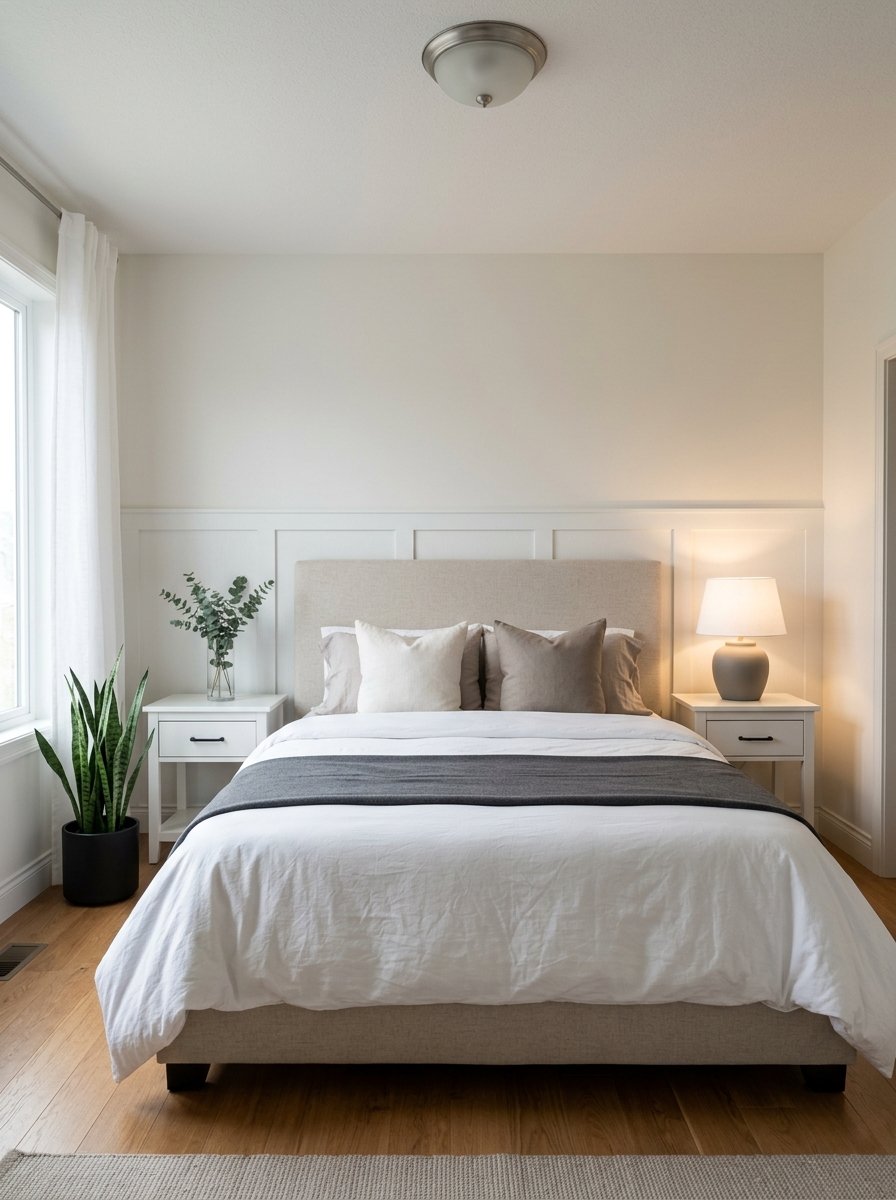
Wondering whether staging is really worth it before you list your Fitchburg home? In many cases, the answer is yes, especially when buyers are making fast decisions online and comparing homes with different ages, layouts, and levels of upkeep. If you want your home to feel clean, current, and easy to picture living in, the right staging plan can help you make a stronger first impression. Let’s dive in.
Why staging matters in Fitchburg
Fitchburg is not a one-size-fits-all housing market. According to U.S. Census QuickFacts for Fitchburg, the city has an owner-occupied housing unit rate of 47.6% and a median owner-occupied home value of $417,200. Local planning documents also show a mix of detached homes, larger multifamily buildings, townhomes, duplexes, and condos, which means staging should reflect the type of home you are selling.
That local variety matters because buyers are not judging every Fitchburg listing by the same standard. A detached home in a subdivision, a townhome with a tighter footprint, and an older attached unit will each benefit from a different presentation strategy. In a market with housing built largely between the early 1960s and early 2000s, visible condition and thoughtful updates can carry real weight, as noted in Fitchburg’s housing planning documents.
What staging can do for sellers
National data helps explain why staging remains such a useful tool. The National Association of Realtors 2025 Profile of Home Staging found that 83% of buyers’ agents said staging made it easier for buyers to visualize a property as a future home.
That same report found that 29% of agents said staging led to a 1% to 10% increase in the dollar value offered, while 49% of sellers’ agents said staging reduced time on market. Those numbers do not guarantee a result for every home, but they do show why staging is often treated as a smart marketing step rather than an optional extra.
Start with the basics first
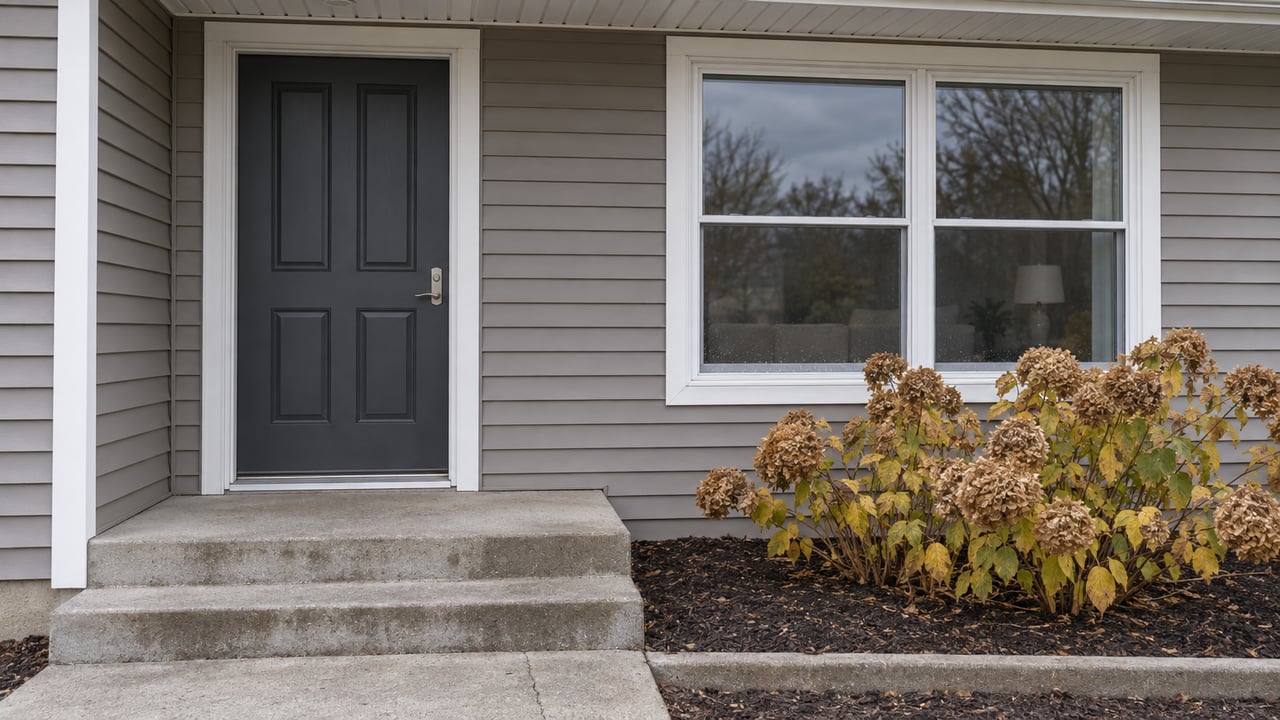
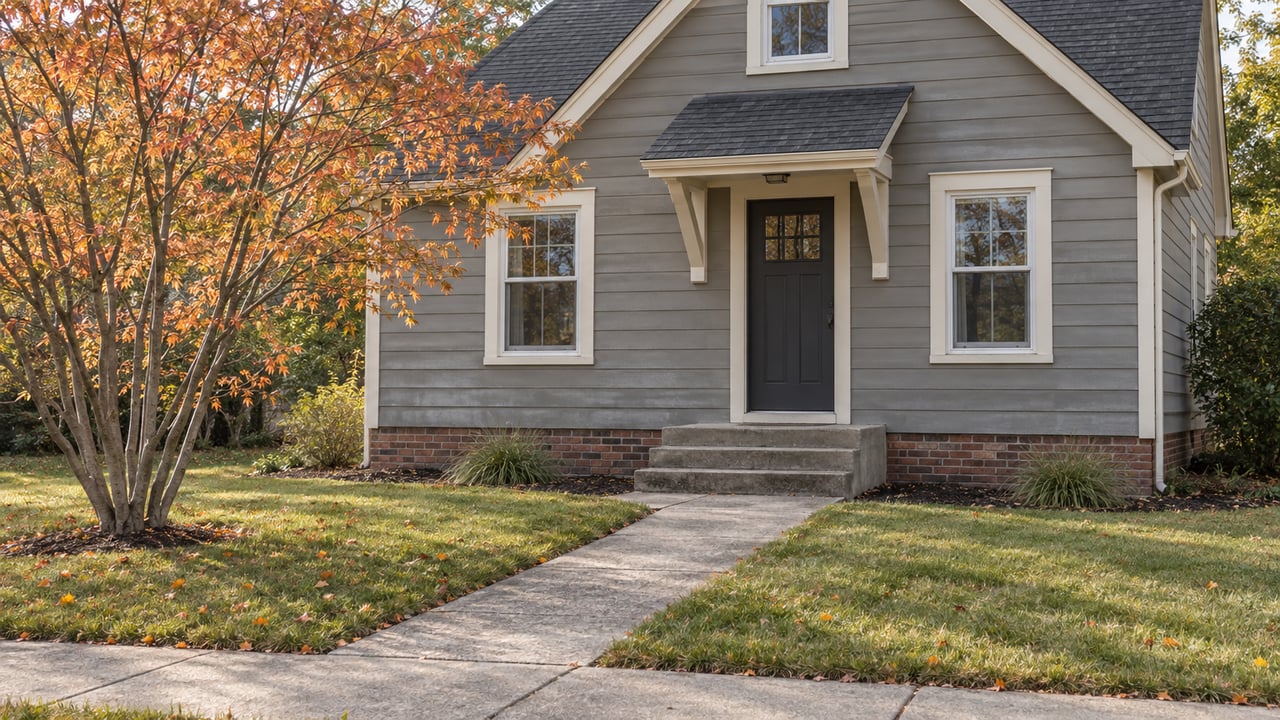
Before you bring in decor, focus on the foundation. NAR’s staging report says sellers’ agents most often recommend decluttering, cleaning the entire home, and improving curb appeal before listing. That gives you the right order of operations: clean first, refresh second, then stage for photos and showings.
If your home has worn or dated surfaces, small cosmetic improvements may also be worth considering. In the 2025 Remodeling Impact Report, REALTORS most commonly recommended painting the entire home, painting one room, and new roofing before a sale. The same report notes that buyers are less willing to compromise on condition than in the past, which is one more reason visible flaws can affect how your home is received.
Focus on high-impact rooms
You do not need to stage every room with the same level of effort. NAR reports that the living room, primary bedroom, and kitchen are the most commonly staged spaces, with the living room usually taking top priority. Those are the rooms where buyers often decide whether a home feels comfortable, functional, and move-in ready.
For many Fitchburg homes, these spaces also help define flow. Buyers want to understand how daily life would work in the home, not just whether the finishes look attractive. If your budget or timeline is limited, start with these three rooms before expanding to dining areas, entry spaces, or flexible bonus rooms.
Tailor staging to your home type
Detached homes
Detached homes often have more square footage and more visual transitions from room to room. In these homes, staging should create a cohesive look across the living room, primary bedroom, and kitchen or dining area. The goal is to make the home feel connected, spacious, and easy to navigate.
In open-concept layouts, define each zone clearly. A rug, properly scaled seating, and a simple dining setup can help buyers understand how the space functions without making it feel crowded.
Townhomes and condos
Townhomes and condos usually benefit from a lighter touch. Because rooms may be narrower or vertically stacked, scaled-down furniture and clear walking paths matter more. You want each room to feel functional, not overfilled.
Storage presentation also matters here. Clean closets, tidy shelving, and uncluttered counters help compact spaces read as practical and efficient.
Older attached units
For older attached homes or corridor-style units, presentation often starts with condition. Fitchburg planning documents specifically note that older units in the North Fish Hatchery Road corridor would benefit from renovation or replacement to improve appearance and desirability. That makes fresh paint, deep cleaning, and updated-looking surfaces especially important if your home falls into a similar category.
In these homes, staging should support a refreshed baseline rather than try to distract from visible wear. Buyers tend to respond better to a clean, honest presentation than to overdone styling.
Use cosmetic updates strategically
In Fitchburg, many homes were built from the early 1960s through the early 2000s, according to the city’s 2030 housing chapter. That does not mean every home needs renovation before it hits the market. It does mean buyers may notice worn trim, dated paint colors, tired flooring, or deferred maintenance more quickly.
If you want a practical presale plan, focus on surface-level improvements with visible impact. Fresh neutral paint, basic repairs, refinished floors where needed, and updated light cosmetic details can help your home show as cared for without turning the process into a full remodel.
Make photos a top priority
Most buyers will meet your home online before they ever walk through the front door. In NAR’s 2024 Home Buyers and Sellers Generational Trends report, photos were the most useful website feature for nearly nine in 10 buyers age 58 and under. Floor plans were also highly valued.
That means staging is not just about the showing experience. It is also about helping your photos communicate scale, light, and layout clearly. In many cases, buyers decide whether to schedule a showing based on those first images alone.
Prep your home for photography
A staged home should photograph well, not just look nice in person. Before professional photos, make sure each room has a clear purpose, open sightlines, and balanced furniture placement. Remove extra decor, personal items, and anything that makes the room feel visually busy.
It also helps to think in terms of what the camera sees. Clean counters, made beds, open blinds, and simple styling usually read better than highly personalized design choices. NAR’s 2025 staging report also notes that buyer expectations are often shaped by TV, so polished but realistic presentation tends to work better than heavy editing or over-staging.
Think of staging as a layered plan
If you are feeling overwhelmed, break the work into steps. A simple staging plan often looks like this:
- Declutter every room.
- Deep clean the entire home.
- Address small repairs and visible wear.
- Refresh paint or surfaces where needed.
- Improve curb appeal.
- Stage the most important rooms.
- Schedule professional photography.
This approach helps you focus on the changes buyers are most likely to notice first. It also keeps you from spending heavily in areas that may not improve your listing presentation in a meaningful way.
What staging may cost
Staging does not have to be all or nothing. According to NAR’s 2025 staging data, the median cost of a professional staging service was $1,500, while the median cost was $500 when the sellers’ agent handled staging themselves. That range can help you think of staging as a controllable marketing expense.
For some sellers, a full-service staging plan makes sense. For others, focused guidance on decluttering, furniture placement, and photo preparation may be enough to improve how the home shows online and in person.
A smarter launch starts with presentation
When you are preparing to sell in Fitchburg, staging works best as part of a bigger launch strategy. The goal is not to make your home look trendy for a weekend. The goal is to present it clearly, honestly, and attractively so buyers can understand its value right away.
At ENZco Real Estate, we believe thoughtful presentation can change how a home is perceived from the very first photo. If you are thinking about selling and want a tailored plan for preparing your Fitchburg home, our team can help you prioritize the updates, staging steps, and marketing details that support a stronger launch.
FAQs
How important is home staging for selling a house in Fitchburg, WI?
- Home staging can be very important in Fitchburg because the market includes a mix of detached homes, townhomes, condos, and older attached units, and buyers often compare presentation and condition closely.
Which rooms should you stage first when listing a Fitchburg home?
- The living room, primary bedroom, and kitchen are usually the best places to start because NAR reports these are the most commonly staged and most influential rooms.
Should you update an older Fitchburg home before staging it?
- If your home has visible wear or dated surfaces, modest updates like paint, repairs, and deep cleaning can help staging work better and improve buyer perception.
Do professional listing photos matter when selling a Fitchburg property?
- Yes. NAR reports that photos are one of the most useful online listing features for buyers, which makes strong visual presentation a key part of your marketing.
How much does home staging usually cost before listing?
- NAR reports a median cost of $1,500 for a professional staging service and $500 when the seller’s agent handles staging themselves.