Looking for a quieter suburban feel without giving up quick access to Madison’s jobs, culture, and campus? Fitchburg gives you that balance. You get established neighborhoods, new walkable communities, and a regional trail network that connects to Madison, all with a mean commute of about 20.2 minutes for residents. In this guide, you’ll get a clear picture of neighborhoods, parks and trails, commute options, and the current housing landscape so you can decide if Fitchburg is a fit. Let’s dive in.
Why Fitchburg stands out
Fitchburg sits immediately south of Madison in Dane County, part of the broader Madison metro. With an estimated population of 34,357 and roughly 34.9 square miles, the city feels close-in yet comfortably suburban. Its planning approach emphasizes compact, connected neighborhoods rather than spread-out sprawl, which shows up in the housing mix and trail links across the city. The city also maintains a large parks and open-space network, a key draw for active lifestyles.
You’ll notice the basics are easy to reach. The civic core, including City Hall, the library, and a senior center, clusters near Lacy Road for convenient access to public services. If you value day-to-day simplicity and time outside, Fitchburg’s size and layout make it easy to settle into routines.
- Population and commute data: U.S. Census QuickFacts
- Parks, library, and city services: City of Fitchburg — City Services
Commute and getting around
If you drive, you’ll connect quickly to the Beltline and key corridors like US 14/18/151 for direct routes into downtown Madison and the UW area. While actual times depend on your address and the time of day, the mean commute among Fitchburg residents is about 20.2 minutes, which speaks to the city’s close-in location.
Transit is a practical option for many trips. Madison Metro serves Fitchburg with local routes today, and the planned North–South Bus Rapid Transit line is in design to improve high-quality service through the corridor. If you are planning for the long term, these upgrades can expand your non-car options.
- Transit and BRT updates: City of Madison Metro — North–South BRT
Cycling is part of everyday life here. Fitchburg connects to the Capital City State Trail, Badger State Trail, Cannonball Path, and the Southwest Commuter Path, which means miles of off-street riding into Madison and beyond. You’ll also find BCycle bike-share stations in several local hubs for quick, car-light errands.
- Trail network map and guides: City of Fitchburg — Trails and Bikeways
- Outdoor and BCycle context: Fitchburg Chamber — Parks and Outdoors
Neighborhoods and homes
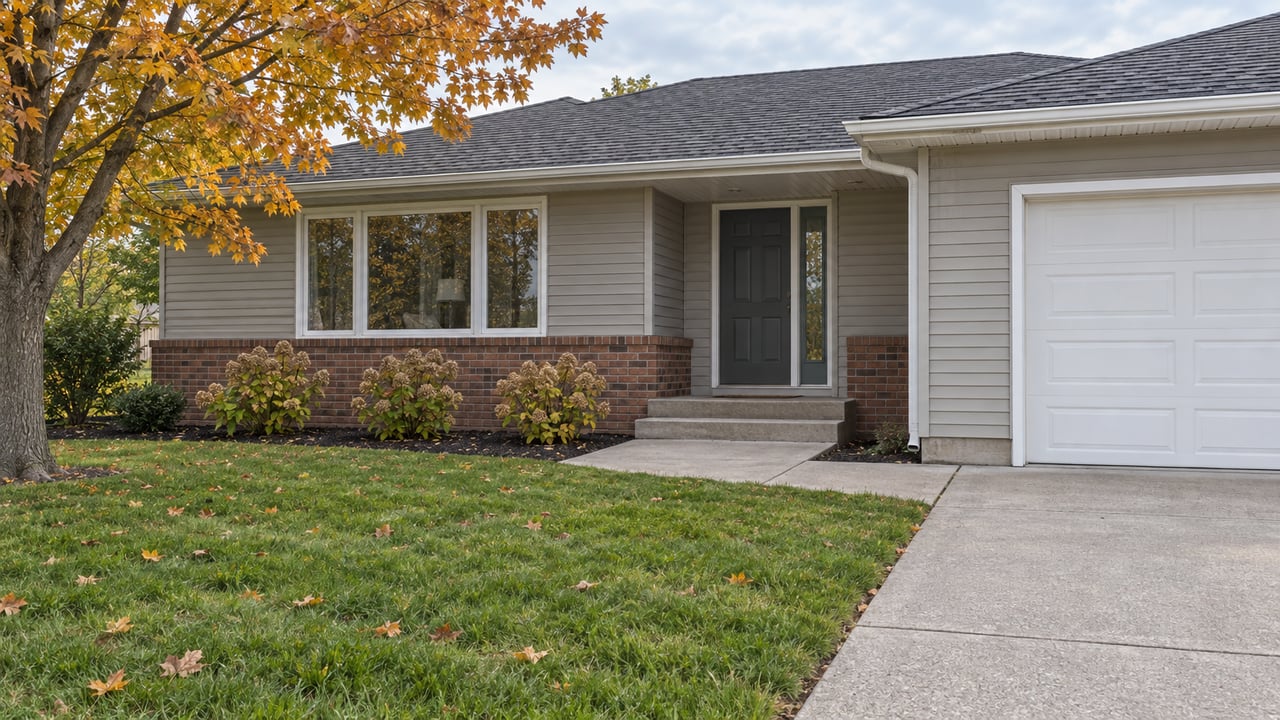
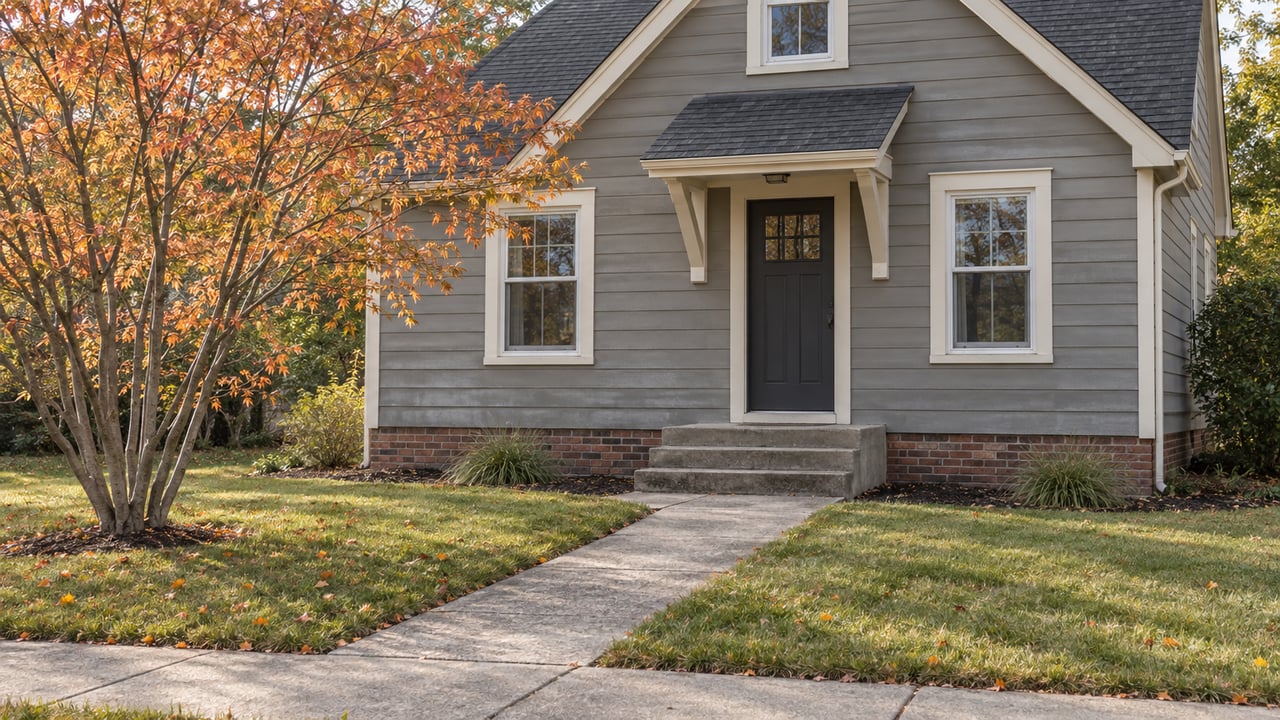
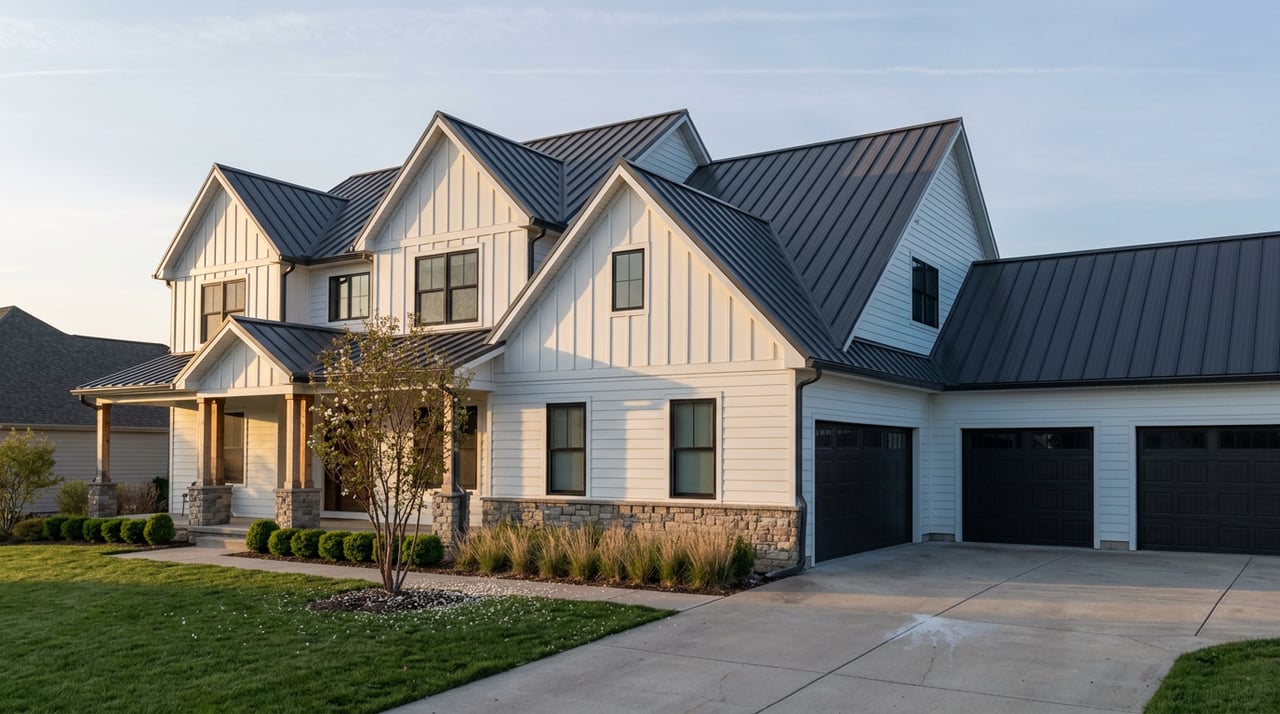
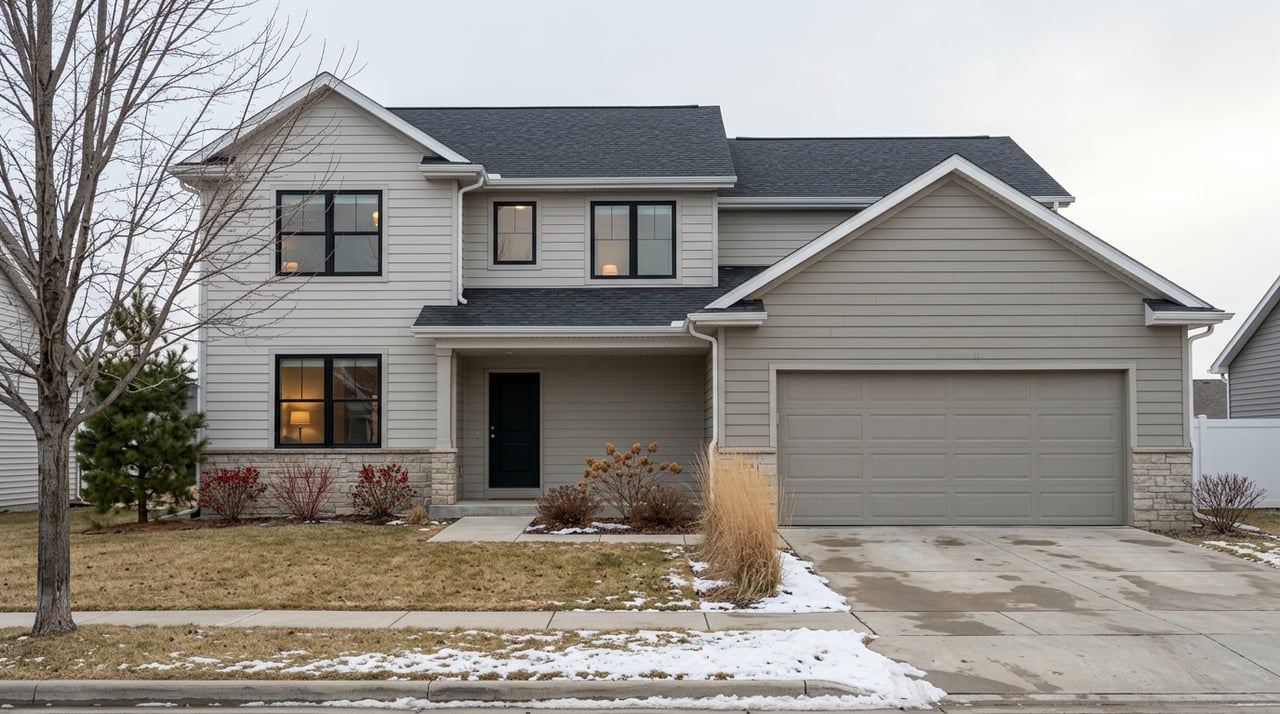
Fitchburg’s housing stock reflects big building waves from the 1970s through the 1990s, plus steady growth since. That history creates a clear choice for you: established, tree-lined neighborhoods with mid-sized lots and familiar ranch or split-level forms, or newer subdivisions with modern two-story homes, pocket parks, and built-in trail links. You’ll also find apartments, condos, and townhomes in chosen corridors, supporting a mix of price points and living styles.
- Housing stock and planning context: Fitchburg Housing Element
Established suburbs
If you prefer mature street trees and classic suburban layouts, look at areas around McKee Farms, Quarry Hill, Swan Creek, Oak Hall, and neighborhoods adjoining Madison to the north. Many of these pockets offer familiar single-family homes from the late 20th century and straightforward access to major roads, parks, and daily shopping corridors. Expect a calm neighborhood feel with quick trips to errands and regional employers.
Newer planned communities
If walkability, trail access, and newer construction speak to you, explore planned neighborhoods in southern Fitchburg. Terravessa is one example, designed with green space, integrated paths, and energy-conscious features in mind. Adjacent to Terravessa, Forest Edge Elementary has been highlighted for its net‑zero design approach, reflecting a wider community interest in sustainability.
- Neighborhood example: Terravessa
- Net‑zero school design context: Bray Architects — Forest Edge Elementary
Parks and trails you’ll actually use
Fitchburg manages roughly 730 acres of parks and open spaces across about 95 locations. That means you’re rarely far from a playground, ballfield, or a quiet spot to unwind. Two larger community parks anchor many residents’ routines:
- McKee Farms Park. Known for the Kids’ Crossing playground and seasonal splash pad, this is a go-to for casual weekends and community events. Dining and services cluster nearby, so it’s easy to pair park time with errands or a meal out.
- McGaw Park. A destination for fields and courts, with active planning underway for amenities and trail links. It’s a useful hub if you want organized play or space to practice.
And beyond the parks, the regional trail system is a major lifestyle perk. The Capital City State Trail, Badger State Trail, Cannonball Path, and Southwest Commuter Path link you to Madison and surrounding communities while keeping most rides off-street. If you prioritize time outside or a bike-plus-car lifestyle, this network is a standout.
- McKee Farms and local parks overview: Fitchburg Chamber — Parks and Outdoors
- McGaw Park details: Visit Madison — McGaw Park
- City trail resources: City of Fitchburg — Trails and Bikeways
Everyday conveniences and jobs
Daily needs are close at hand. Shopping, dining, and services cluster along McKee Road, Post Road, Fish Hatchery Road, and Verona Road. That pattern makes it easy to string together groceries, pharmacy stops, and a quick bite without long cross-town drives.
For work, Fitchburg blends local opportunity with regional reach. The Fitchburg Technology Neighborhood includes campus sites and incubator space, while proximity to Madison, UW–Madison, medical centers, and Verona’s employment base adds options. This is the “suburban, but job-connected” mix many buyers look for.
- Local employment hub: Fitchburg Technology Neighborhood
- City services and civic facilities: City of Fitchburg — City Services
Market snapshot and timing
As of early 2026, recent market trackers show a median sale price in the high $400,000s, with a typical home value index near the upper $400,000s. For historical context, the 2019–2023 American Community Survey reports a median value of owner‑occupied homes around $389,000, which reflects different methodology and a broader time window. The takeaway: values have trended upward with continued development and demand. If you plan to quote a specific median for timing and pricing, always verify the latest week-of data before you act.
If you’re buying, you’ll likely compare established 1970s–1990s homes with newer builds in planned neighborhoods. If you’re selling, lean into presentation and timing: well-prepared homes with thoughtful staging, strong photography, and a compelling launch strategy tend to capture more attention and better offers.
Here is a simple approach:
- Buyers: Clarify must-haves vs. nice-to-haves, then weigh tradeoffs between lot size, construction age, and trail access. Tour both mature and newer areas to feel the difference.
- Sellers: Address high-impact updates, complete pre-list prep, and set a pricing strategy backed by local comps and current absorption. Launch with a clean marketing arc to maximize first impressions.
Is Fitchburg the right fit for you?
Choose Fitchburg if you want suburban calm with quick access to Madison’s campuses, health systems, and downtown. You’ll appreciate the trail network if biking or walking is part of your day, and the range of homes makes it easier to match budget and lifestyle. If you are relocating, the combination of short-to-moderate commutes and reliable civic amenities offers a smooth landing.
How we can help you move with confidence
You deserve a clear plan, not guesswork. Our team pairs deep local knowledge with elevated, design-forward marketing to help you buy or sell with less stress. Whether you’re choosing between established neighborhoods and newer planned areas, timing a contingent sale and purchase, or moving in from out of town, we guide you through each step with staging resources, clean pricing strategy, and steady communication.
If you’re exploring a move in or out of Fitchburg, reach out to ENZco Real Estate to start a tailored plan for your next chapter.
FAQs
How close is Fitchburg to downtown Madison and UW?
- The average commute for Fitchburg residents is about 20.2 minutes, and many off-peak drives to Capitol Square or campus fall in the 20–30 minute range; confirm your route with a maps app for precise timing. Source: U.S. Census QuickFacts
What types of homes will I find in Fitchburg?
- Expect a mix of single-family ranches and split-levels from the 1970s–1990s, newer two-story homes in planned subdivisions, and apartments/condos along key corridors, reflecting the city’s balanced housing plan. Source: Fitchburg Housing Element
Are there good parks and trails near most neighborhoods?
- Yes. The city manages roughly 730 acres of parks and open spaces and connects to major regional trails like the Capital City and Badger State Trails for off-street biking and walking. Sources: City of Fitchburg — City Services, City Trail Resources
Is public transit a real option in Fitchburg?
- Madison Metro serves Fitchburg today, and the planned North–South Bus Rapid Transit line is in design to upgrade service along the corridor, improving reliability and frequency for key trips. Source: City of Madison Metro — North–South BRT
What is the current housing market like?
- As of early 2026, market trackers place the median in the high $400,000s, with a typical value index near the upper $400,000s; the 2019–2023 ACS shows an owner‑occupied median value around $389,000 for historical context. Always verify the latest week-of numbers before decisions.