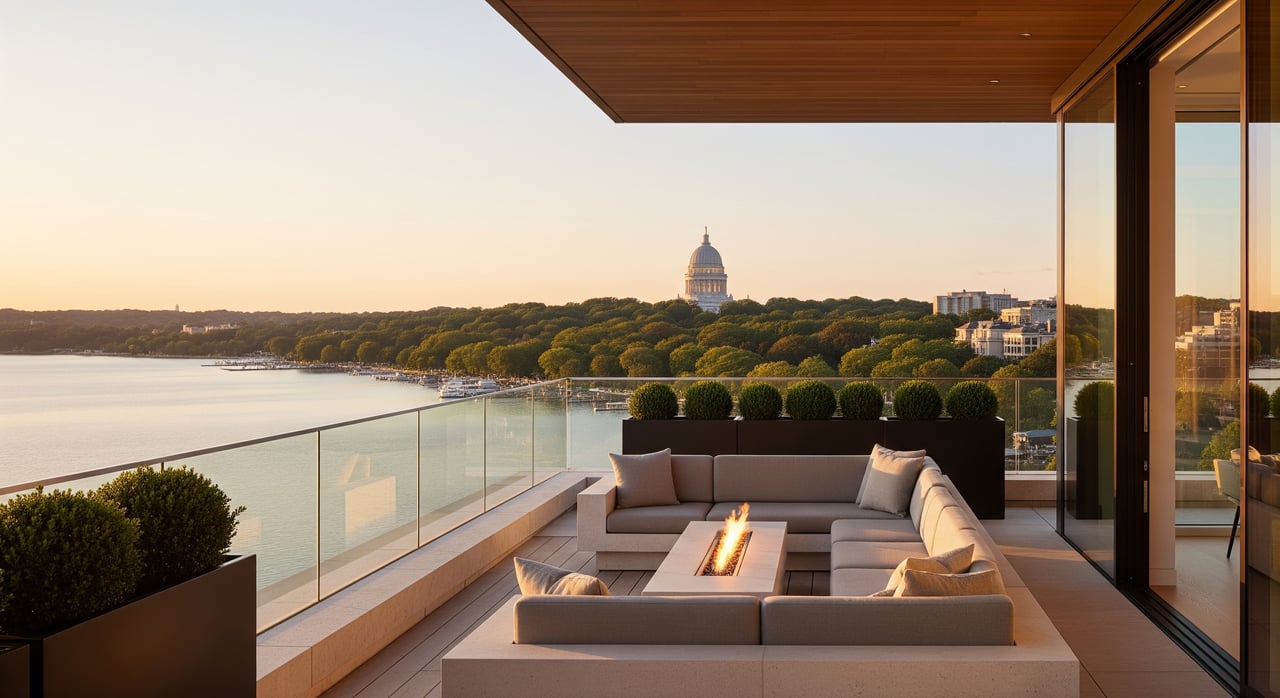
Wish your morning coffee came with a lake breeze and a five-minute walk to errands? If you are drawn to Madison’s core, you are not alone. In-town living puts you close to the lakes, culture, and everyday convenience many people want. This guide breaks down what life actually feels like across Madison’s in-town neighborhoods, plus how you will get around, run errands, and choose a home that fits your routine. Let’s dive in.
What “in-town” means in Madison
In-town typically covers the isthmus core and nearby neighborhoods within a few miles of Capitol Square. That includes the Isthmus, State Street area, the University and campus-adjacent blocks, the Near East Side, the Near West Side, and lake-facing pockets along Mendota, Monona, and Wingra. These areas are compact and walkable, with quick access to city services and cultural spots.
You can expect shorter trips, more transit options, and easy bike routes. Daily life varies block by block, so knowing each area’s feel helps you pick the right fit.
Neighborhood snapshots
Isthmus and Capitol Square
You are in the urban heart here. Restaurants, cultural venues, and government offices sit within a short walk. It is very walkable, with strong bus access and dense bike activity. Expect limited or paid parking, lively evenings, and a steady flow of visitors in warmer months.
University and campus-adjacent
These blocks pulse with the academic calendar. You will see active sidewalks, coffee shops, bookstores, and retail geared to student life. Transit is frequent and biking is common. Summers tend to feel quieter, while some rentals turn over seasonally.
Near East Side (Tenney-Lapham, Willy Street)
This area mixes older homes with local businesses, co-ops, and parks. Walking to food, coffee, and daily needs is a core part of the appeal. Street parking is generally easier than downtown on many blocks. You get a neighborhood vibe with convenient access to the core.
Near West Side and University Heights
Tree-lined streets and historic homes give a calm residential feel. You stay close to campus without the same level of student density. Evenings are quieter, with quick access to westbound routes and lakeshore parks. Neighborhood associations are active.
Lake Monona shore and South Capitol
Here you are close to Lake Monona, with parks and scenic shoreline routes nearby. The feel is more residential, with fewer commercial corridors right at your door. Many residents look to the isthmus or east side for dining and shopping. Water access is a daily highlight if you like paddling or lakefront walks.
Wingra and near-southwest
If you want nature within reach, Lake Wingra and nearby parks are a draw. You will find a quieter pace while staying in-town. Trails and green space are close, though some errands may be a short drive away. It is a strong match for outdoor-focused routines.
Getting around day to day
Walking and biking are built into in-town life. Madison’s path network, including the Capital City Trail and popular lake loops, connects neighborhoods with the lakes and downtown. Many residents bike year-round, though winter riding calls for the right gear and planning.
Madison Metro bus service is strongest in core corridors and around UW connections. It is useful for commuting, errands, and events when parking is tight. If you drive, expect a mix of permit zones, time limits, and paid parking downtown. In winter, know alternate-side rules and snow emergency procedures.
Errands and daily conveniences
You will find a mix of co-ops, independent markets, and nearby full-line groceries across in-town neighborhoods. Clinics, gyms, and services cluster along commercial streets, so most errands can fit into a short walk or quick bike trip. The weekly farmers’ market on the Capitol Square in season is a go-to for local produce and weekend energy.
Lakes and green spaces
Lake Mendota frames the north side of the isthmus and Lake Monona the south. Both offer public parks, beaches, and boat launches, plus lakeside paths for walking and biking. Lake Wingra is smaller and quieter, a favorite for kayaking and canoeing.
In summer, expect patios, festivals, sailing, and shoreline events. Winter shifts to ice fishing, designated skating areas, and careful use of trails. Whatever the season, you will find a park or path within a short distance in most in-town areas.
Housing options in-town
- Apartments and condos: Concentrated downtown and near campus, these work well if you want location and simplified maintenance.
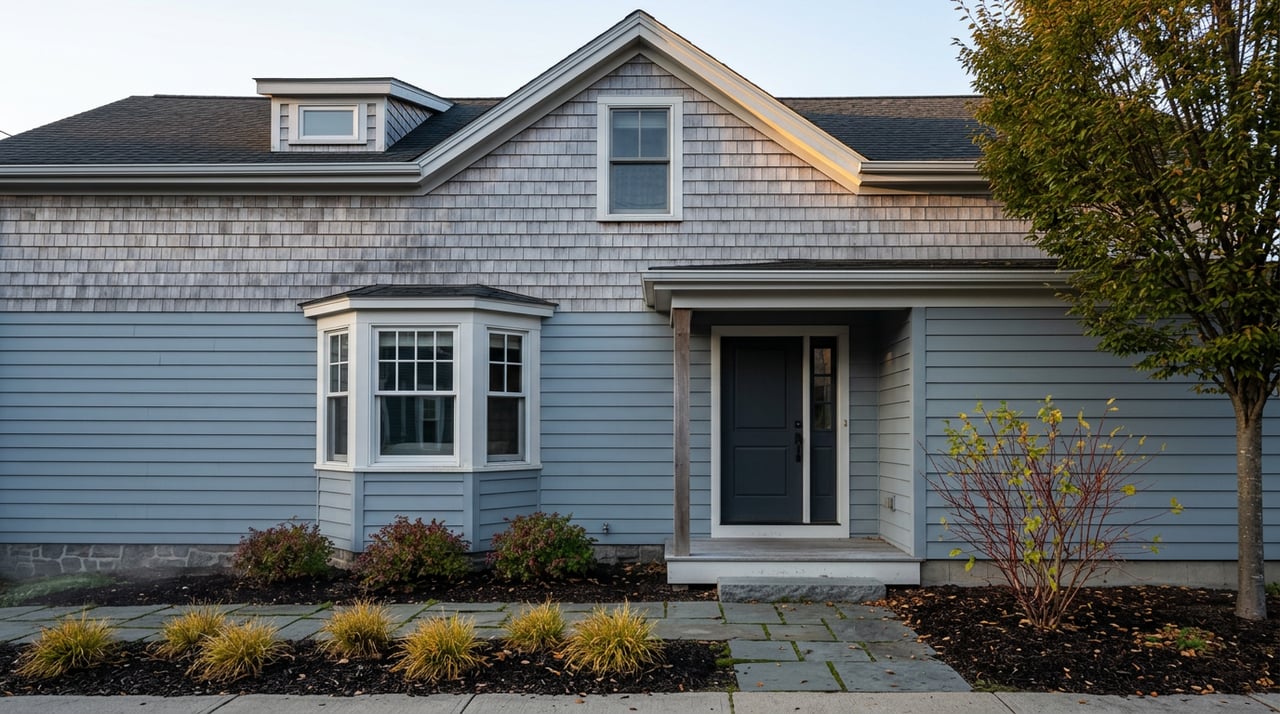
- Converted and historic homes: Older properties with character and smaller yards are common near campus and the isthmus.
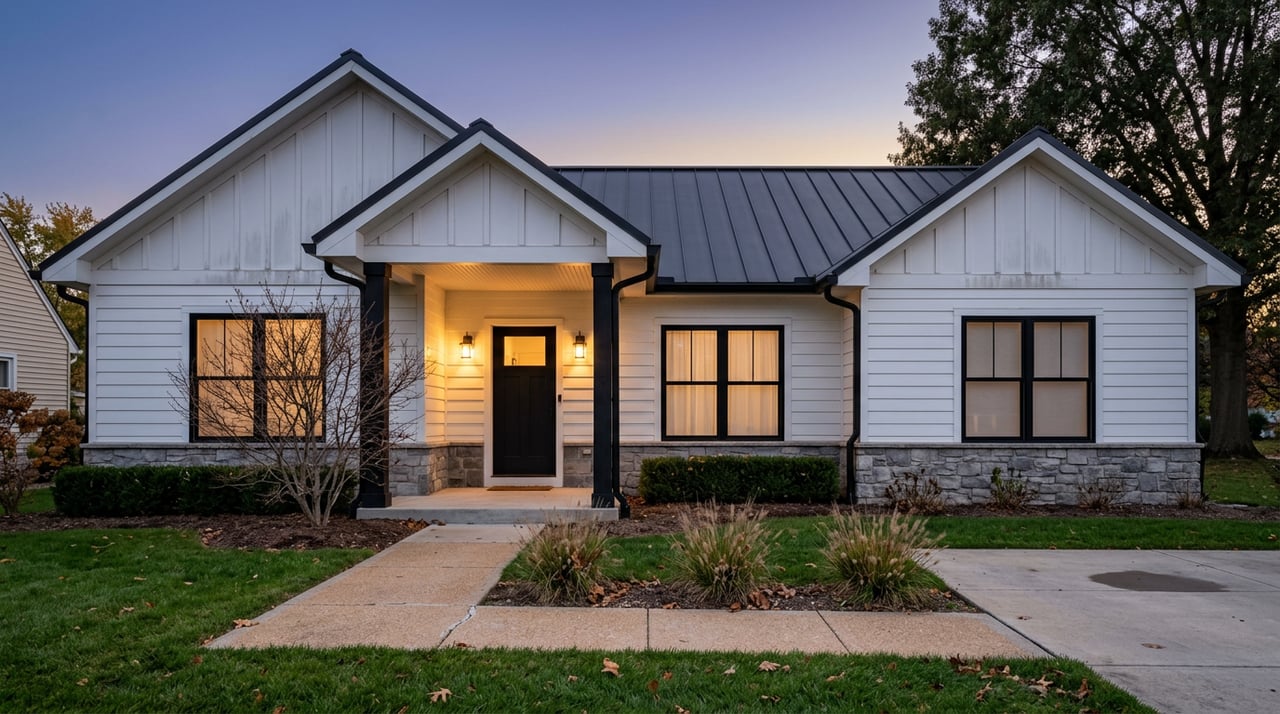
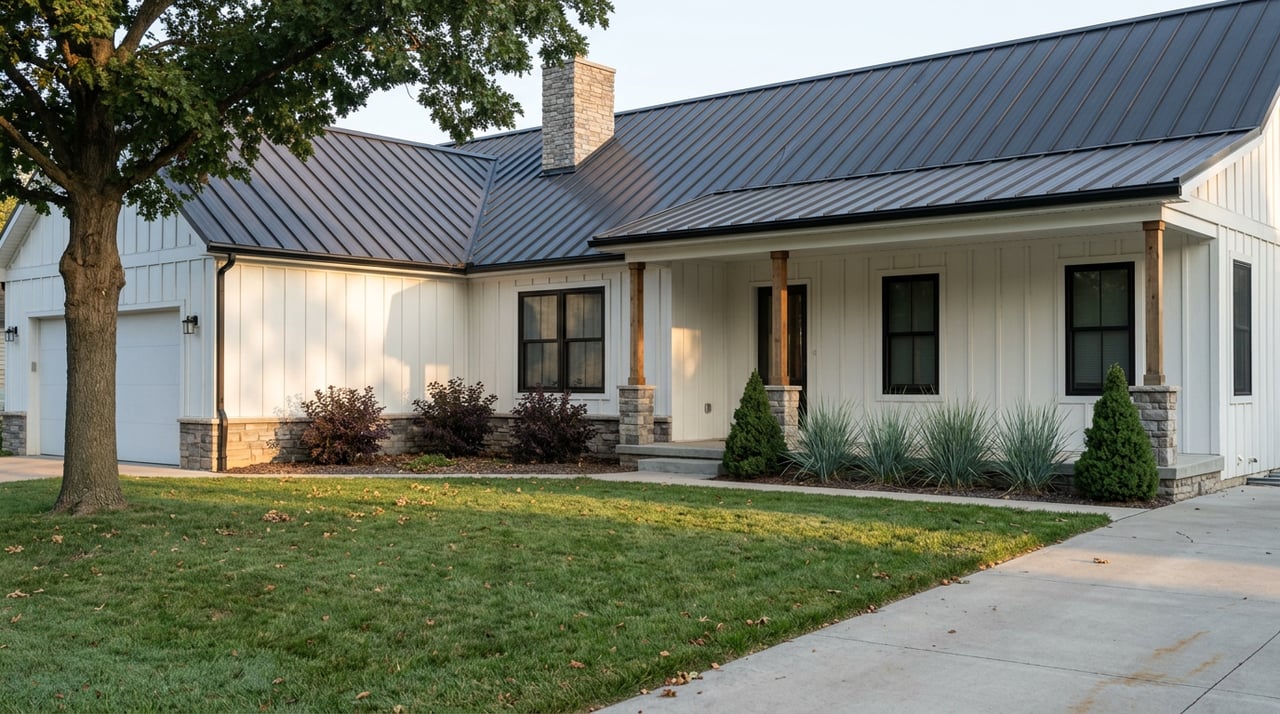
- Townhouses and small-lot homes: More common on the Near East and Near West sides for those who want private entries and some outdoor space.
- New infill and mixed-use: Ground-floor retail with homes above are increasingly common in walkable corridors.
Focus on how each option supports your daily routine. Think about storage for bikes and gear, pet needs, and whether you want a private outdoor area or a shared rooftop instead.
Lifestyle tradeoffs that matter
- Space vs convenience: You may trade indoor and yard space for a fast walk to shops, parks, and transit.
- Noise vs access: Living on busy corridors lifts your access and nightlife, while a quieter street might be a short walk away.
- Parking and cars: Some homes lack dedicated spots. Plan for permits, garages, or car-light living if that suits you.
- HOAs and maintenance: Condos can reduce upkeep but add rules and fees. Review policies on pets, rentals, and renovations.
- Seasonal realities: Sidewalk shoveling and winter rules matter. Waterfront homes can involve special maintenance.
For relocating professionals and families
If you want a quick commute to UW, state offices, or downtown employers, the isthmus and nearby east or west neighborhoods keep trips short. If your routine is parks and playgrounds, Near East, Near West, and Wingra offer easy options. If the lake is part of your daily plan, being within a half-mile often means walkable access for a quick paddle or shoreline run.
For schools, the Madison Metropolitan School District serves in-town addresses. Boundaries vary by property, so confirm your address, options, and enrollment steps as part of your search. If you are timing a move around an academic schedule, know that near-campus rentals often turn over seasonally.
Smart checklist for tours
- Walk or bike test: Try your weekday route and a weekend evening loop to feel noise, lighting, and travel time.
- Transit check: Look up bus routes and frequency for work or school trips.
- Parking plan: Confirm private parking, permit zones, and winter overnight rules for the block.
- Lake access: Note the nearest park, beach, or launch and how you will carry gear.
- Daily needs: Map your grocery, pharmacy, clinic, and daycare within a 5 to 15 minute walk.
- Safety context: Review local reports and neighborhood association updates.
- Future changes: Scan city planning for upcoming projects that could affect traffic or retail.
- HOA review: For condos, read rules, reserves, and any special assessments.
Seasonality in Madison
Winter brings snow and cold, plus shoveling responsibilities and parking rules to learn. Spring and fall are prime for biking, markets, and festivals. Summer is lake season, with busy paths, patios, and events that add energy to the isthmus and shoreline parks.
Ready for a local walkthrough?
If you want a place that fits your routine and lifestyle, you deserve clear neighborhood comparisons and an organized plan. Our boutique team pairs deep local insight with design-forward guidance, from pricing and staging to smooth coordination for buyers and sellers. Reach out to ENZco Real Estate to talk through your goals or request your free home valuation.
FAQs
What counts as “in-town” Madison living?
- It generally includes the isthmus and nearby east, west, campus-adjacent, and lake-facing neighborhoods within a few miles of Capitol Square.
How close should you be for daily lake access?
- Living within about a half-mile often makes quick trips on foot or bike realistic for regular shoreline walks or paddles.
What should you know about parking and winter rules?
- Many blocks use permit zones, time limits, and alternate-side rules during snow season, so confirm the plan for your specific address.
How does the UW academic calendar affect nearby areas?
- Campus-adjacent streets are busier during the academic year, quieter in summer, and rentals can have seasonal turnover.
Are in-town neighborhoods walkable for errands?
- Yes, most have a mix of groceries, co-ops, and services along commercial streets, making short walks or bike trips common.